Jodhpur is not a fort town
It is a trading city that happens to have a fort. Almost everything that puzzles a first visit follows from that, and almost every itinerary gets it backwards.
Rao Jodha founded the place in 1459 and moved the Rathore capital down from Mandore. The move was commercial rather than romantic: the new site sat on the road linking Delhi to Gujarat, and the city grew rich on what moved along it — opium, copper, silk, sandalwood, dates. Its merchants, the Marwaris, went on to occupy a position of dominance in trade across India. The fort is there because the road was there.
Read Jodhpur as a caravan city with a citadel above it, and the shape of a visit stops being a puzzle.
Mehrangarh rewards slowing down
It is not merely dramatic from below. The Mehrangarh Museum Trust's work inside shames many state-run sites — palanquins, miniatures, the arms collection, the restored apartments, all presented with real scholarship.
Guests who allocate an hour end up wanting three. Go early, before the light hardens and the coaches arrive, and take the audio guide seriously.
The blue is concentrated, not general
Two explanations are usually offered: that indigo-tinted limewash was associated with Brahmin households, and that it repels insects and keeps interiors cooler. Both are probably part of the truth and the practical reason has outlived the social one.
What matters for a visit is where. The blue clusters in the old city below the fort's northern face and thins as you move outward. Walking it early, before the lanes fill, is the single best hour Jodhpur offers.
The palace was a jobs programme
This is the fact that reorders the city for most people.
Jodhpur endured three consecutive years of drought in the 1920s. Umaid Bhawan was commissioned as relief work — groundbreaking on 18 November 1929, completion in 1943, and somewhere between two and three thousand people employed through the worst of it. Henry Vaughan Lanchester designed it. The dun sandstone is laid without mortar, the blocks cut to interlock.
Three hundred and forty-seven rooms. Part of it is still the royal residence, part a hotel, part a museum.
A palace built to keep a starving district in wages is a different building from a palace built for a view. Stand in front of it knowing that and it changes.
The practical half
- Two nights is the honest minimum. Enough for Mehrangarh unhurried, a morning in the blue lanes, an evening in the old city. One night — which most itineraries allow — covers the fort and little else.
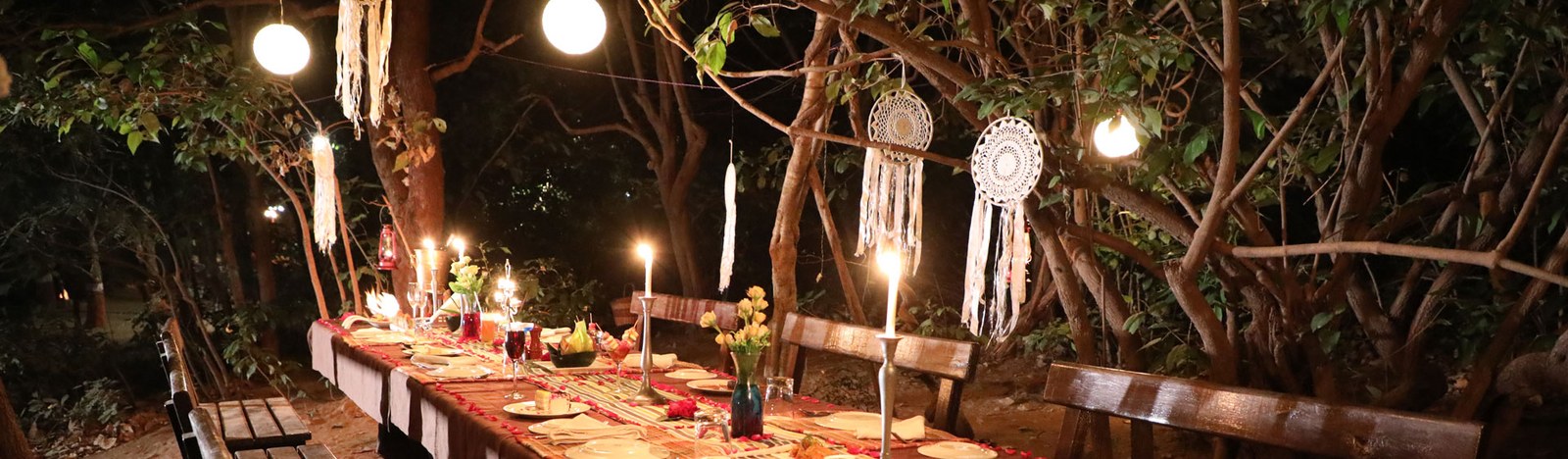
- Where you sleep is a real choice. Umaid Bhawan is formal and enormous. The restored havelis in and around the old city put you inside walking distance of the lanes, which is where the city actually is.
- October to March, without much argument. Summer at the edge of the Thar runs well past 40°C through May and June.