
Elevated India

Elevated India

You are reading this community as a visitor. Join Elevated India, or sign in if you are already a member.

Vanshika2dWhat to Wear

Pack for the mornings

Almost everyone packs for the afternoon they imagined and is cold at dawn.

Between November and February the north genuinely is cold before sunrise — the hour you will be at the Taj, on the water at Varanasi, or in an open vehicle in a park. The afternoon may reach twenty-six degrees. Both are true on the same day, and layers are the only way to hold both.

The rest is courtesy rather than restriction. Shoulders and knees covered in towns and at religious sites. Shoes off at temples, at homes, at some shops — which makes footwear a real decision. Slip-ons will make a temple day pleasant. Laced boots will make it a chore.

At gurdwaras heads are covered and a scarf is usually provided at the door. Some Jain temples ask that no leather comes in at all, belts and bags included. Your guide will tell you before you are standing at the threshold holding a handbag.
www.elevatedindia.com/journal/first-time-luxury-india

Open
Vanshika2dKerala & the South

The south is a different country

Different language family, different food, different architecture, different climate, and a different calendar — the season that empties the north is the season Kerala fills up for.

What that means practically: the south does not slot into a northern itinerary as an extension. It is a second trip inside the first one, and treating it as a few extra days on the end is how people come home saying Kerala was nice and remembering nothing.

Give it its own rhythm. Backwaters are not a sightseeing item, they are a place to stop moving. The tea hills are cold at dawn and nobody packs for it. And the temple towns of Tamil Nadu are the most alive religious buildings most visitors will ever stand inside — not ruins, not monuments, working.

www.elevatedindia.com/destinations/alleppey

Open
Chhavi2dVaranasi & the Ganges

Varanasi is not braced for you

Most places a traveller goes have arranged themselves, at least a little, around being visited. Varanasi has not. It is a working city of pilgrimage that has been doing the same thing for longer than almost anywhere else on earth, and you are standing at the edge of it.

That is the whole reason to go, and it is also why people arrive defended — having been told it will be overwhelming, they spend the first morning managing themselves instead of looking.

Go at dawn, on the water, and say nothing for the first half hour. The city does not need explaining while it is happening. It needs explaining afterwards, which is what a good guide is actually for.

www.elevatedindia.com/destinations/varanasi

Open
Vanshika2dWhen to Travel

Monsoon is not a washout

The word does a lot of damage. People picture a fortnight indoors and book July out of the calendar without asking anybody.

What it actually is, across most of the country: intermittent rain rather than constant rain, heavy for an hour and then gone, with the landscape at its greenest for the only time in the year. Forts you have seen a hundred times in dusty ochre come back in deep green. The light is extraordinary and the crowds are somewhere else.

The honest costs, because there are some. Some hill roads close. Most wildlife parks close. Humidity in the plains is real and it is tiring. And a monsoon journey has to be built to absorb a lost afternoon rather than pretend none will happen.

In Kerala it is not a compromise at all — it is the Ayurvedic season, and the one the treatments are designed around.

www.elevatedindia.com/journal/monsoon-india-green-season

Open
Kunal2dWhen to Travel

The month you choose decides which India you get

There is no single best time, and anybody who gives you one is describing Rajasthan and calling it the country.

The broad shape:

Oct – Nov. Comfortable across the north and centre after the monsoon; some warm days remain. Dec – Feb. Peak for Rajasthan, Delhi and Agra — sunny days, cold mornings, occasional dawn fog. The south stays warm. Mar – Apr. Pleasant in March, hot by April, especially in the north. May – Jun. Very hot in the north and centre. The Himalaya and parts of the south stay comfortable. Jul – Sep. Intermittent rather than constant rain, landscapes at their greenest; some hill roads and wildlife parks close.

Two exceptions break the rule entirely, and both have their own room here — the high Himalaya is summer only, and Kerala runs a different calendar from the north.

If you are choosing between two months, tell us which regions you care about first. The answer changes completely depending on the answer to that.

www.elevatedindia.com/journal/when-to-travel-india

Open
Hariom Sharma2dRajasthan

Rajasthan is five cities and the space between them

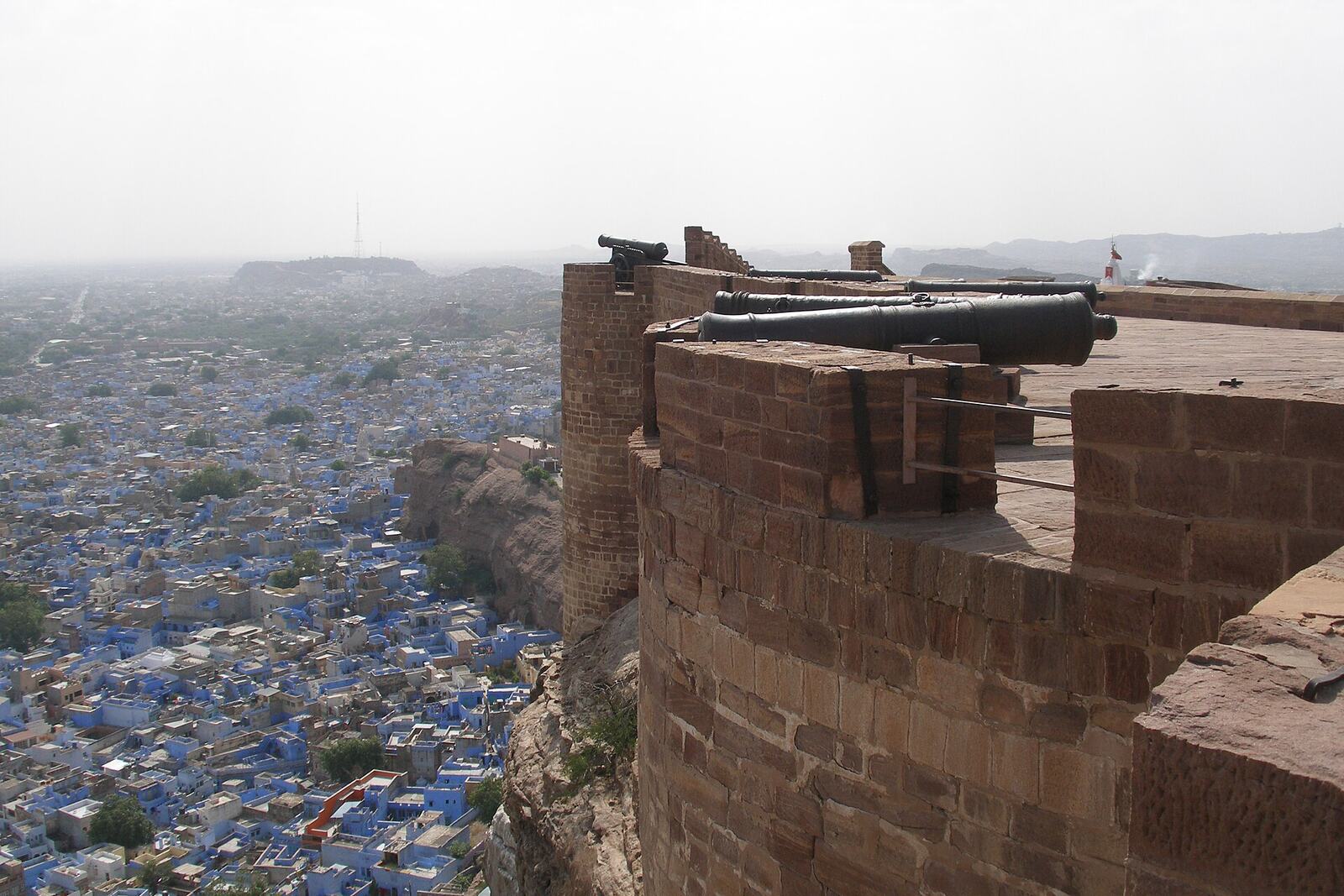
The cities get the photographs. Jaipur's pink facades, Udaipur on its lake, the blue quarter under Mehrangarh, the gold of Jaisalmer rising out of nothing. They are all genuinely worth the journey.

But the state's character is in the driving. The road from Jodhpur toward Jaisalmer thins out until the villages are an hour apart and the land stops pretending to be farmland. That is when Rajasthan stops being a series of forts and becomes a desert kingdom that had to be defended — which is the only way any of those forts make sense.

So the mistake is not choosing the wrong cities. It is scheduling the drives as dead time between them, to be done as fast as possible, ideally asleep.

www.elevatedindia.com/destinations/jodhpur

Open
Manu Singh2dDelhi, Agra & the North

Agra is a hinge, not a stop

Agra is almost always given a single night, and that single night is usually mishandled — a dawn dash from Delhi, three hours at the Taj, back in the car by noon.

Arrive in the afternoon instead and the whole calculation changes. You take the Taj at sunset from the far bank, sleep with the dome in the window, and enter at the eastern gate before the coaches. Most visitors see the monument. The point is to see the light move across it.

Two things to design in rather than discover on arrival. The Taj Mahal is closed on Fridays. And the moonlight viewings run only on five nights around each full moon.

The marble workshops matter here too. The inlay on the Taj is still cut by descendants of the original craftsmen, and an hour in a working atelier changes how the building reads.

www.elevatedindia.com/destinations/agra

Open
Chhavi2dPhotography & Etiquette

Ask first

A smile and a gesture at the camera is enough, and it is almost always answered with a yes.

That question is the difference between a photograph of a person and a photograph of scenery. It usually opens a conversation, which is generally better than the picture. Offer to show them the frame afterwards — it costs nothing and it changes the encounter entirely.

One thing we would ask of anybody travelling with us: photograph people, not poverty.

Where it is restricted: inside certain temples and tombs, in military and border areas, and in some museums. Signs are not always in English and not always present, so when in doubt ask your guide rather than the guard. Drones are heavily restricted — assume the answer is no unless a permit was arranged well in advance.

www.elevatedindia.com/journal/photographing-india-where…

Open
Chhavi2dHealth & Food

Eat everything. Drink carefully.

The caution people arrive with is aimed at the wrong target. They spend the trip avoiding food — which is most of what India has to offer — and then drink a glass of water without thinking about it.

Invert that. Eat widely, including street food, in the places your guide eats. What deserves the second thought is water: sealed or filtered only, and that extends to ice and to raw salad anywhere you are not sure about the kitchen. Every hotel we use provides safe water without being asked.

This is not squeamishness. It is the single easiest way to protect the middle of a trip, and the difference between a bad twelve hours and a bad three days is almost always which one of those two rules somebody relaxed.

If you have a real intolerance or a dietary requirement, tell your curator early rather than at the table. Indian kitchens accommodate it easily when they know in advance.

www.elevatedindia.com/journal/first-time-luxury-india

Open
Manu Singh2dDestinations

Where to go first is the wrong question

Almost every first plan for India starts with a list of places and then argues about how many of them will fit. That argument is unwinnable, because the country is the size of Europe and the list is always too long by three.

The better question is how many hours in a car you are willing to spend, and what you want to be doing at six in the morning.

Answer those two and the map draws itself. Someone who wants to be awake at dawn in front of a monument belongs on a northern route. Someone who wants to be awake at dawn on water belongs in Kerala. Someone who wants to be awake at dawn in an open vehicle with a radio crackling belongs in the parks of Madhya Pradesh, and nowhere near a fort.

Six rooms sit under this one, by part of the country. None of them is a ranking. They exist so you can read about one region properly rather than skim six.

www.elevatedindia.com/destinations

Open
Hariom Sharma2dWildlife & Parks

A tiger is not the point, and then it is

Everybody books a park for the tiger and then spends most of the time watching everything else — langur alarm calls moving through the canopy, a sloth bear crossing a track, sambar standing very still for a reason you cannot see yet.

That is not a consolation prize. It is the actual experience, and the sighting, when it comes, is made by the two hours of nothing that preceded it. A park visited for a guaranteed photograph is a park that will disappoint you.

Two practical things. Parks close in the monsoon months, so wildlife pins the calendar harder than anything else in a journey. And your naturalist decides the distance, always — the distance is what makes it a sighting rather than a disturbance.

www.elevatedindia.com/destinations/bandhavgarh

Open
Gulab Singh2dHimalaya & Ladakh

Ladakh runs on a different calendar

Everything else in this room follows the same broad rhythm: cool and dry from October, hot from April, wet from July. The high Himalaya inverts it.

Ladakh is a summer destination. The passes open, the season runs roughly June to September, and the months that are perfect in Rajasthan are the months the roads are shut. Plan it as though it were a separate country with its own opening hours, because in every way that affects a journey, it is.

The other thing worth knowing before you commit: altitude is not a detail. Leh sits high enough that the first day is for doing nothing, and a journey that schedules sightseeing on arrival day is a journey that loses two days instead of one.

www.elevatedindia.com/destinations/leh

Open
Gulab Singh2dGetting In

What you actually need to get in

Entry rules move, and a room that prints them today is a room that misleads somebody next year. So this one points at the guidance we keep current rather than keeping a second copy that drifts out of step with the first.

The piece below covers the visa routes, what each one actually permits, and the documents worth having on your phone before you reach the desk.

The one thing worth saying here, because it is a habit rather than a rule: sort the visa before the flights feel real. It is the single most common thing left until a fortnight out, and it is the one item on the list that nobody can accelerate for you.

Anything you are unsure about, ask in Ask a Curator. Somebody there has almost certainly filled in the same form this month.

www.elevatedindia.com/journal/india-entry-requirements-…

Open
Kunal2dMoney & Tipping

Cash, cards, and the one nobody warns you about

Cards work in hotels, restaurants and city shops. Cash still matters for markets, small towns, tips, and anything bought from a maker directly. ATMs are plentiful in cities and thin out fast beyond them.

The one nobody warns you about is UPI. India largely stopped paying with cards and cash and moved to a domestic instant-payment system that almost every stall, driver and shop now expects. It is not built for visitors. Assume you will not be using it, and carry a little more cash than feels necessary — the gap between how cashless India looks and how cashless it is for you surprises people.

On tipping: it is customary and warmly received, and the shape is guides and drivers at the end of their stretch, hotel staff on departure, restaurants where service is not already added. Rather than print figures that drift, ask your curator before you travel. They will give you the current number for the properties you are actually staying in, which is worth more than an average.

www.elevatedindia.com/journal/first-time-luxury-india

Open
Nikhil Sharma2dThe Journal

Why a room for reading.

A journey ends twice. Once when you land, and again some months later when you finally work out what it meant. The second ending is the one that lasts, and almost nobody is given any room for it — the photographs get filed, the stories shorten to three anecdotes, and the rest quietly goes.

That is what this room is for. New writing from the Journal lands here, and the conversation underneath it is usually better than the piece itself, because the people reading have been there.

To open it, a question from the essay on lead times. It argues that booking early in India buys choice rather than a lower price — that the things which genuinely sell out are far narrower than most people assume.

For those who have already travelled: did your own lead time buy you what you thought it would?

Open
Nikhil Sharma2dWhere We've Been

This room is empty, and it should be.

A review is a verdict. It tells you what somebody decided, usually while performing for strangers who will never meet them. An account is a witness. It tells you what somebody saw.

The second is worth a great deal more, because it is the only record that exists of a place as one particular person met it on one particular morning. No guidebook can hold that. No rating can carry it.

So this room fills with accounts rather than ratings. The hour that was better than expected. The thing you would do differently. The photograph taken at six when nobody else was up.

Whoever writes first sets the register for everybody after them. No pressure.

Open
Manu Singh2dAsk a Curator

Ask in the open.

Put a question to the people who plan the journeys and it is answered here rather than in a private reply. That is deliberate and it is worth saying why.

An answer in an inbox dies with the person who received it. An answer in the open compounds — the fourth guest to wonder the same thing finds it already waiting, and the curator answers once instead of eleven times. Private correspondence is comfortable and it wastes almost everything it produces.

The second reason is the questions themselves. The ones people hesitate over — too basic, too personal, too obvious — are reliably the most useful in the room, because everybody else was also too polite to ask.

Anything genuinely yours, your dates and your itinerary and your bill, still goes to your curator directly. Everything else belongs here.

Open
Vanshika2dBefore You Go

The long middle.

Most of a journey happens before anybody leaves.

The booking is done, the departure is months off, and in between sits a stretch that most travel companies treat as dead air — a gap to be managed with confirmation emails. It is not dead air. It is the part of the journey you spend the longest inside, and the only part you are entirely conscious for.

Anticipation is not waiting. It is the trip assembling itself in your head, and what you put into it changes what you get out of the real thing.

So this room is for the questions that arrive one at a time and usually at night. What to pack. What the drive is really like. Whether the thing you read is still true. Nothing is too small.

To start: what is the one thing you are still unsure about?

Open
Chhavi2dJourneys

Women of India

An act of camaraderie, companionship and enquiry between women from different worlds.

Women of India travels into diverse communities meeting Indian women from all walks of life, with intelligent and empathetic facilitators who have vast experience in negotiating the complex protocols of Indian society.

A Vanishing India journey.

Open
Hariom Sharma2dJourneys

The Tribal World — Rajasthan

This journey should be viewed as a privilege. A rare opportunity.

Tribal Worlds of Rajasthan travels deep into both the physical and cultural heart of the state, bearing witness to vanishing tribal communities and forgotten places. A journey of contemplation as much as of travel.

A Vanishing India journey.

Open
Vanshika2dJourneys

Story Hunters — Holi

Story Hunters travels into India, not just across it, hearing stories that have never been told by people who have never been heard.

India is too extraordinary a place to rush through like a crazed tourist clicking snapshots of the Taj Mahal.

A Vanishing India journey.

Open
Gulab Singh2dJourneys

Singing With Elephants — Nepal

An ambitious and heartfelt musical tour de force.

A musical journey that touches all aspects of Nepalese culture.

A Vanishing India journey.

Open
Kunal2dJourneys

Dancing India

Dancing India dares to dance beautifully, or badly.

It isn't just about dancing. It is about joy. About celebration. About connecting to Indian people to create a moment of happiness and unity — when their spirits soar, the music takes over and the body moves.

A Vanishing India journey.

Open
Gulab Singh2dJourneys

Singing India — with Anub Ghatak

Singing India creates a soundtrack to its own journey. In doing so it celebrates the fundamental Indian love of music at the deepest level of its culture.

We sing with Bhopa Gypsies and with classical Indian musicians. With Buddhists in Sarnath and Sufis in Varanasi. In villages and alleyways and out in the desert.

A Vanishing India journey.

Open
Hariom Sharma2dJourneys

Painting Rajasthan — with Lorraine Simonds

A traveller's dream and an artist's heaven. Slow travel with beautiful accommodation, and pop-up studios established along the way to develop your daily sketches.

You do not need to arrive an accomplished artist.

A Vanishing India journey.

Open

That is the beginning. You have seen every one of the posts.